
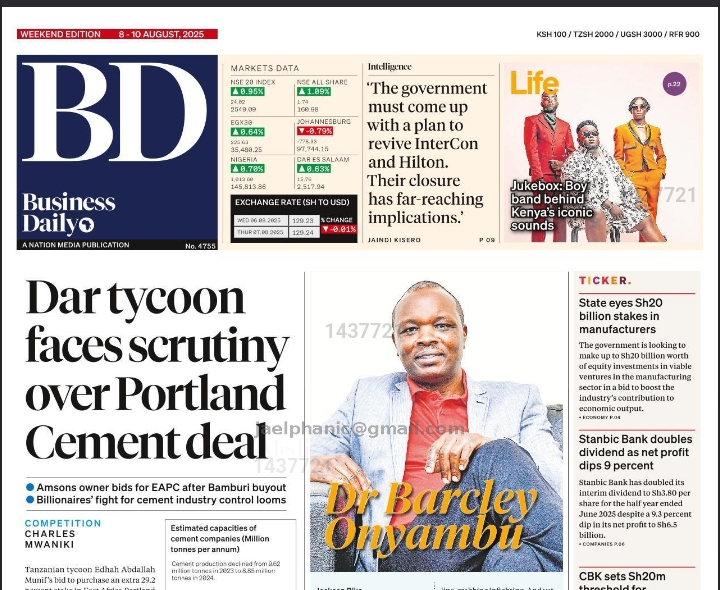
Analysis Tone and Perspective Review Of The Business Daily Newspaper
TONE
The tone of the articles is predominantly informative and cautionary, blending factual reporting with subtle warnings about economic and regulatory risks. It adopts a measured yet urgent voice when discussing antitrust concerns, high power costs, and cyber threats, while maintaining an optimistic yet critical stance on expansion stories like ADvTECH’s acquisition. The language remains neutral but assertive, particularly when highlighting systemic inefficiencies or regulatory gaps.
TRACK
The coverage follows a business and regulatory track, emphasizing market dynamics, corporate moves, and policy interventions. It prioritizes financial impacts, such as profit dips, dividend decisions, and sectoral struggles, while also tracking regulatory shifts in banking, antitrust, and cybersecurity. The selection of stories reflects a macroeconomic lens, connecting individual business developments to broader industry and national economic health.
FRAMING
The articles are framed around risk and opportunity, juxtaposing corporate growth (ADvTECH, Stanbic) against systemic challenges (Rivatex, cyber threats). Some pieces, like Munif’s EAPC bid and sports tourism, are framed as missed or contested opportunities, urging action. Others, such as whistle-blowing and CBK regulations, adopt a reformist framing, advocating for stronger oversight and compliance.
EDITORIAL AGENDA
The editorial agenda leans toward market efficiency and regulatory vigilance, stressing the need for antitrust scrutiny, cost competitiveness, and cybersecurity. It promotes transparency and accountability, evident in the whistle-blower and banking regulation stories. There’s also a subtle push for diversification, particularly in tourism and industrial policy, to reduce reliance on traditional sectors.
CONCLUSION
The reporting underscores Kenya’s fragile balance between growth and governance, where corporate ambitions (like Munif’s and ADvTECH’s) clash with regulatory and infrastructural hurdles. It highlights systemic vulnerabilities energy costs, cyber risks, and lax oversight that threaten long-term stability. Ultimately, the narrative calls for strategic reforms to unlock competitiveness while safeguarding against market abuses and inefficiencies.