
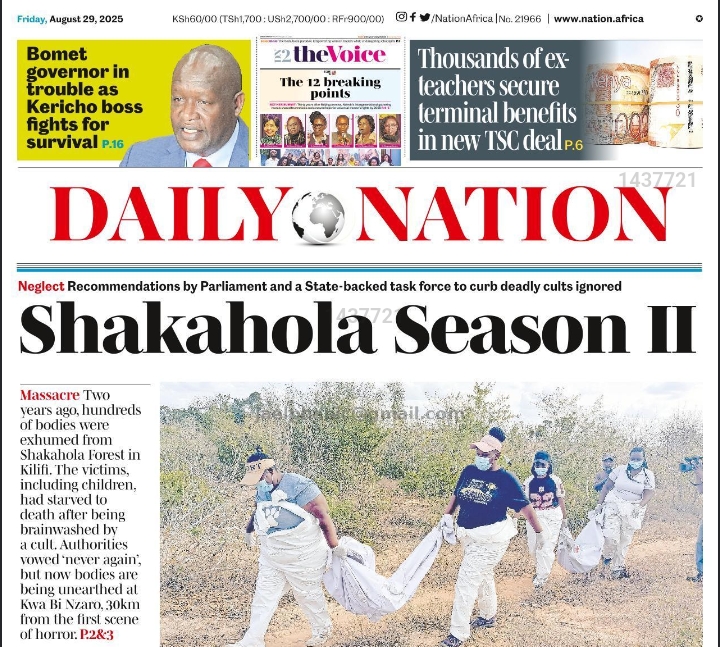
Analysis Tone and Perspective Review Of The Daily Nation Newspaper
TONE
The newspaper’s tone is one of profound criticism and urgent concern, particularly regarding governmental failures. It adopts a measured, factual tone for policy announcements, yet this is underpinned by a clear skepticism towards official justifications. Overall, the tone is vigilant, holding power to account while reporting on administrative developments.
TRACK
The editorial track consistently follows a pattern of exposing institutional failure and scrutinizing authority. It prioritizes stories that highlight a breach of public trust, such as the neglected massacre recommendations and the contentious e-GPS procurement, alongside reports on accountability like impeachments and corruption cases. This establishes a clear track record of prioritizing watchdog journalism over merely transmitting government communications.
FRAMING
The framing consistently presents issues through a lens of systemic failure and public interest. The mass graves are framed not as isolated incidents but as a direct result of official negligence, while policies like the NYS expansion and UHC worker audit are framed as top-down government initiatives with significant societal implications. Even international affairs, like the lobbying expenditure, are framed as a domestic issue of questionable tradition rather than neutral diplomacy.
EDITORIAL AGENDA
The newspaper’s agenda is clearly focused on demanding accountability and transparency from all levels of government. It pushes for coordinated governance, as seen in the education article, and champions the rule of law, evidenced by its coverage of the impeachment challenge and corruption case dismissals. Furthermore, it advocates for competent and ethical management of public resources and crises, from health outbreaks to economic policies.
CONCLUSION
In conclusion, The Daily Nation presents a portrait of a nation grappling with severe institutional failures while simultaneously attempting to implement ambitious reforms. The overall narrative is that of a critical disconnect between government action and public welfare, where promises are often unfulfilled and oversight is frequently bypassed. Ultimately, the newspaper concludes that robust accountability, not just new policies, is the fundamental requirement for progress.